Why Your West Chester Home Hasn’t Sold — And What to Do Next

Why Your West Chester Home Hasn’t Sold — And What to Do Next
If your home didn’t sell in West Chester, you’re not alone — but it’s also not random.
Most sellers we meet after a listing expires or stalls were told some version of:
“Let’s start high and see what happens.”
And for a brief moment, it feels fine. Showings happen early. There’s interest. Hope stays alive.
Then the activity slows.
No offers.
Feedback starts pointing to price.
And suddenly the confidence is gone.
Here’s the truth we see again and again in West Chester, Liberty Township, Monroe, and Springboro: homes don’t fail because the market is bad — they fail because pricing and positioning missed the window to lead the market.
Let’s break that down.
The most common reason homes don’t sell here
When we take over a listing that didn’t sell, the root issue is almost always pricing — but not just “too high” in a vacuum.
The bigger problem is this:
the home was priced to chase the market instead of lead it.
Many sellers choose the agent who suggests the highest list price, assuming that protects their value. What actually happens is the opposite:
-
The home launches without urgency
-
Buyers compare it to better-positioned options
-
Interest fades before leverage is created
By the time price reductions start, the market has already spoken.
When sellers usually realize something is wrong
Almost every seller describes the same moment.
Showings slow way down after the initial burst.
No offers come in.
And the feedback starts circling back to: “Priced too high.”
This is the danger zone.
At this point, buyers aren’t just evaluating the house — they’re questioning why it hasn’t sold. Even strong homes can get labeled unfairly once momentum is lost.
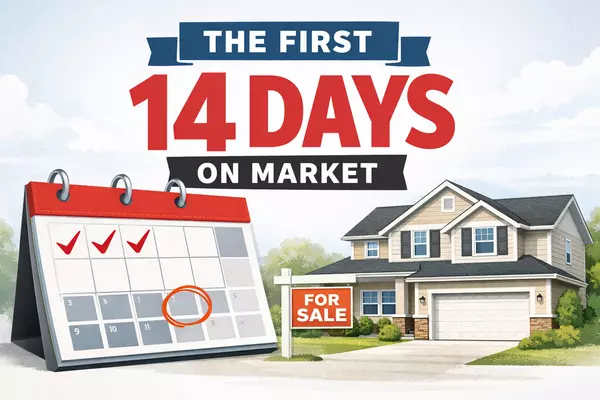
This is why the first 14 days matter so much — and why recovering after that window requires a different approach.
Why “just dropping the price” usually doesn’t fix it
A common instinct is to reduce the price quickly and hope that restarts activity.
Sometimes it helps. Often, it doesn’t.
That’s because buyers don’t just see the new number — they see the history:
-
time on market
-
prior positioning
-
lingering objections
Without addressing why buyers hesitated in the first place, a price drop alone often feels reactive instead of confident.
What we do differently when relaunching a home that didn’t sell
When sellers come to us after their home hasn’t sold, we don’t rush it back on the market. We rebuild the strategy.
Here’s what that typically looks like.
1. We address condition issues that actually matter
Not every improvement is worth doing.
We focus on specific condition issues that:
-
show up repeatedly in buyer feedback
-
create hesitation at your price point
-
deliver a strong return, not busywork
The goal isn’t perfection — it’s removing objections so the price makes sense.
2. We reposition price based on current competition, not seller hopes
Markets change quickly.
We re-evaluate price based on:
-
what buyers are choosing right now
-
which homes are actually selling
-
how your home compares in its current condition
This isn’t about giving value away — it’s about leading the market instead of chasing it.
3. We time the relaunch intentionally
Timing matters more than most sellers realize.
Instead of re-listing immediately, we align:
-
condition
-
pricing
-
exposure
so the home re-enters the market in its most saleable state, with confidence restored and urgency rebuilt.
This is how stalled listings regain traction.
How this ties into choosing the right agent
In our posts on:
-
Questions Smart West Chester Sellers Ask Before Hiring an Agent, and
we talk about preparation, pricing philosophy, and execution.
Homes that don’t sell usually missed one (or all) of those early.
The right agent doesn’t just tell you what went wrong.
They show you how to fix it — and why it will work this time.
Final thought for sellers feeling stuck
If your home didn’t sell, it doesn’t mean you made a bad decision — but it does mean the strategy needs to change.
Before you relist, it’s worth slowing down and asking:
-
Are we leading the market or chasing it?
-
Have we removed the right objections?
-
Is this relaunch intentional — or hopeful?
If you’re serious about selling and want a clear plan before making your next move, we’re happy to talk things through and give you honest feedback — even if you’re just exploring options.
And if you want to start quietly, you can also receive a free monthly home value email to track where your home sits in today’s market:
homevalue.spouseswhosellhouses.com
Clarity is how stalled listings turn into sold homes.
Suggested internal links (conversion stack)
-
Questions Smart West Chester Sellers Ask Before Hiring a Real Estate Agent
-
What a Listing Agent Should Be Doing in the First 14 Days (But Most Don’t)
-
The Most Expensive Pricing Mistake West Chester Sellers Make
Categories
Recent Posts